
Documents That Must Always Be Shredded
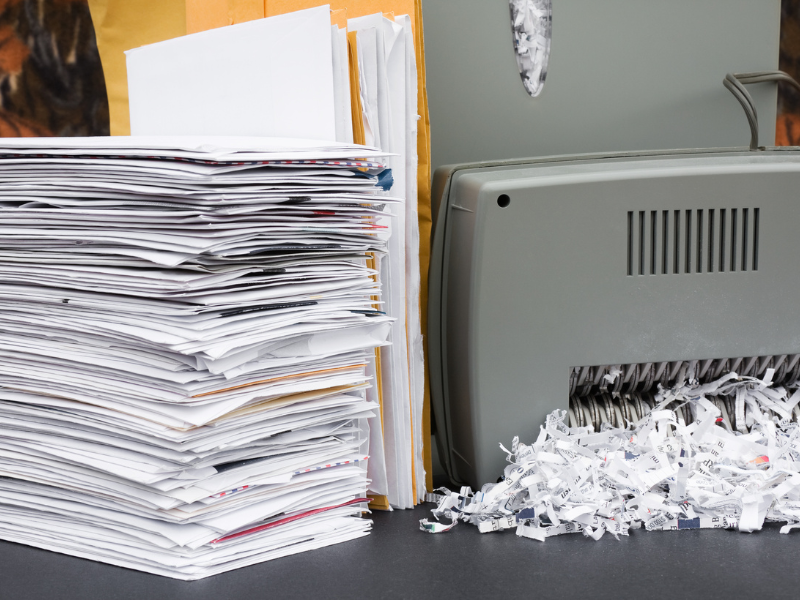
Protecting your personal and business information is not an option if you want to keep your business protected from possible damages. Improper disposal of sensitive documents can expose you to risks like identity theft, data breaches, and legal trouble. Document shredding is a simple but effective way to ensure that your confidential information stays safe. But which documents should always be shredded? Let’s take a look at some of the most critical types that need to be securely disposed of. Remember, failure to properly dispose of sensitive documents can lead to legal penalties. Financial Records Your financial records contain a wealth of information that can be exploited if they fall into the wrong hands. Bank statements, tax returns, credit card bills, and loan agreements all contain sensitive details that can lead to identity theft if not properly destroyed. Even if these documents are several years old, they should still be shredded before disposal. Thieves can use outdated financial information to piece together personal details, which could lead to fraud. Businesses are particularly vulnerable when it comes to the improper disposal of financial records. Corporate documents like profit and loss statements, balance sheets, and invoices should be treated with the same caution. Shredding financial records ensures that these documents won’t be misused, protecting both individual and company assets. Documents Containing Personal Information Any document that includes personal information, such as your full name, Social Security number, address, or date of birth, should be shredded. Even seemingly harmless papers like utility bills, pay stubs, and insurance forms can contain enough information to be used in identity theft schemes. Document shredding of personal papers is especially important when moving, downsizing, or cleaning out old files. Many people overlook how much personal information they’ve accumulated over the years. Regularly reviewing and shredding these documents reduces the risk of your personal data being compromised. Medical Records Medical records are some of the most sensitive documents you may have. They contain highly confidential information about your health, treatments, and insurance coverage. Under laws like HIPAA, healthcare providers are required to properly dispose of patient records through secure document shredding to maintain patient privacy. However, individuals should also take responsibility for shredding any personal copies of medical records they no longer need. This includes old prescriptions, test results, and bills from medical services. Shredding these documents ensures that your private health information stays confidential. Legal Documents Legal documents, such as contracts, wills, and legal correspondence, often contain sensitive information about finances, personal matters, and business dealings. If these documents are no longer needed, they should be shredded. Contracts often contain both personal and financial details, making them a prime target for fraud if improperly disposed of. Even older legal papers that seem irrelevant may contain information that could be used maliciously. For instance, outdated business agreements or personal contracts may still hold value to someone looking to exploit them. Document shredding eliminates this risk by ensuring that the contents are completely destroyed. Expired Identification Documents Old identification documents, such as driver’s licenses, passports, and work IDs, should never be thrown away in the trash. Even if expired, these documents contain personal information that could be used by identity thieves. By shredding expired IDs, you ensure no one can access your personal details or misuse your identity. The same principle applies to expired credit cards or bank cards. These items, even if no longer active, should always be securely shredded to prevent any potential misuse. Business Documents with Confidential Information For businesses, the stakes are even higher. Confidential business documents like employee records, client lists, strategic plans, and intellectual property should be shredded once they are no longer needed. These documents are highly valuable and can be exploited by competitors or cybercriminals if not securely destroyed. For compliance reasons, businesses are often required to follow strict document disposal protocols. Shredding these documents ensures that sensitive business information is securely destroyed, reducing the risk of data breaches and legal penalties. Protect Your Privacy: Never Skip Document Shredding Shredding sensitive documents is a crucial step in protecting both personal and business information. Whether it’s financial records, legal contracts, medical records, or expired IDs, shredding ensures that confidential information won’t fall into the wrong hands. The key to maintaining security is regular document shredding of any papers that could potentially expose personal or sensitive details. By taking proactive measures and securely disposing of confidential documents, you can safeguard your identity and business from serious risks. The Shredding Source – Your Partner in Safe Documents Shredding At The Shredding Source, we offer secure, reliable document shredding services tailored to your needs. Whether you have a few boxes of personal documents or large quantities of business records, we ensure that your sensitive information is completely destroyed. Contact us today to schedule your shredding service and protect your privacy!